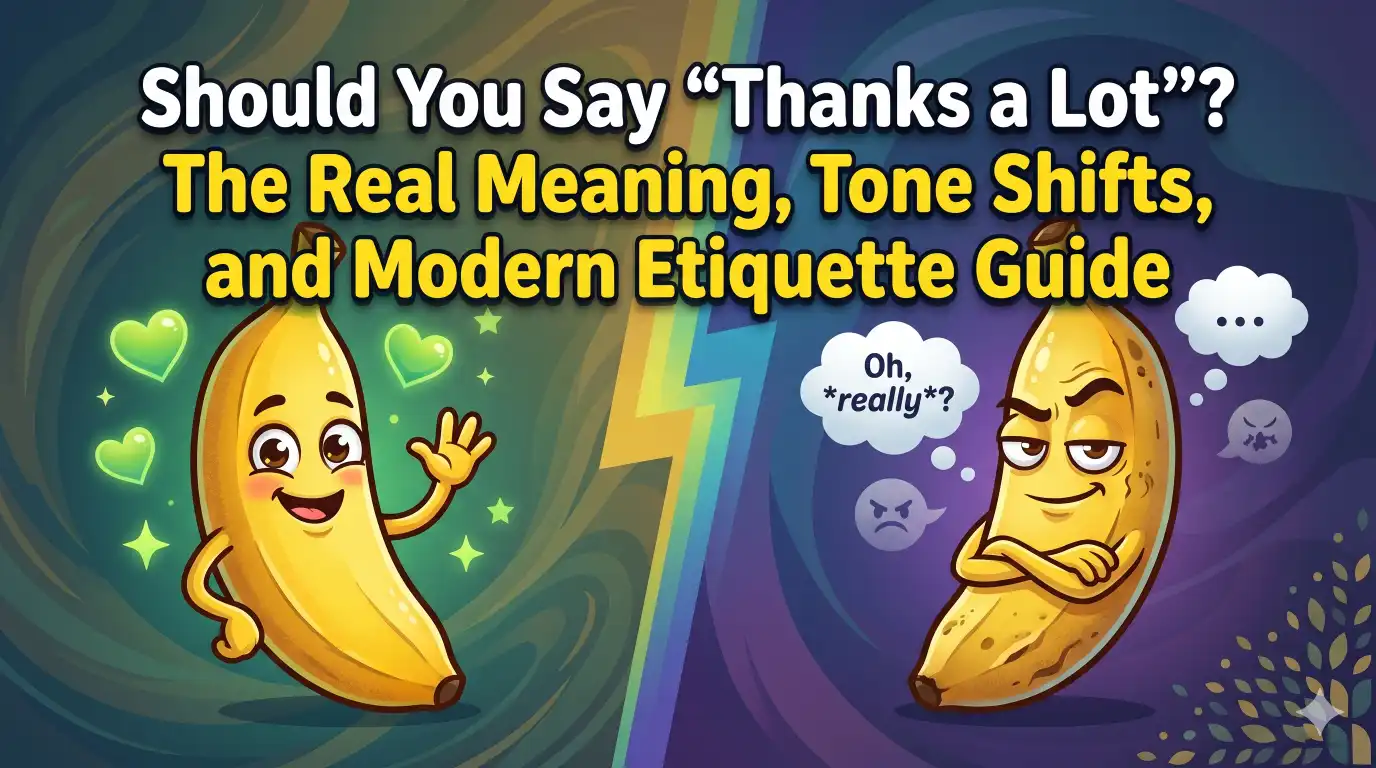
Thanks a Lot: Meaning, Usage & Etiquette
Language seems simple until it isn’t. You say “thanks a lot” and expect a smile. Instead, you get a raised eyebrow. Or worse, silence. Same … Read More
Language seems simple until it isn’t. You say “thanks a lot” and expect a smile. Instead, you get a raised eyebrow. Or worse, silence. Same … Read More
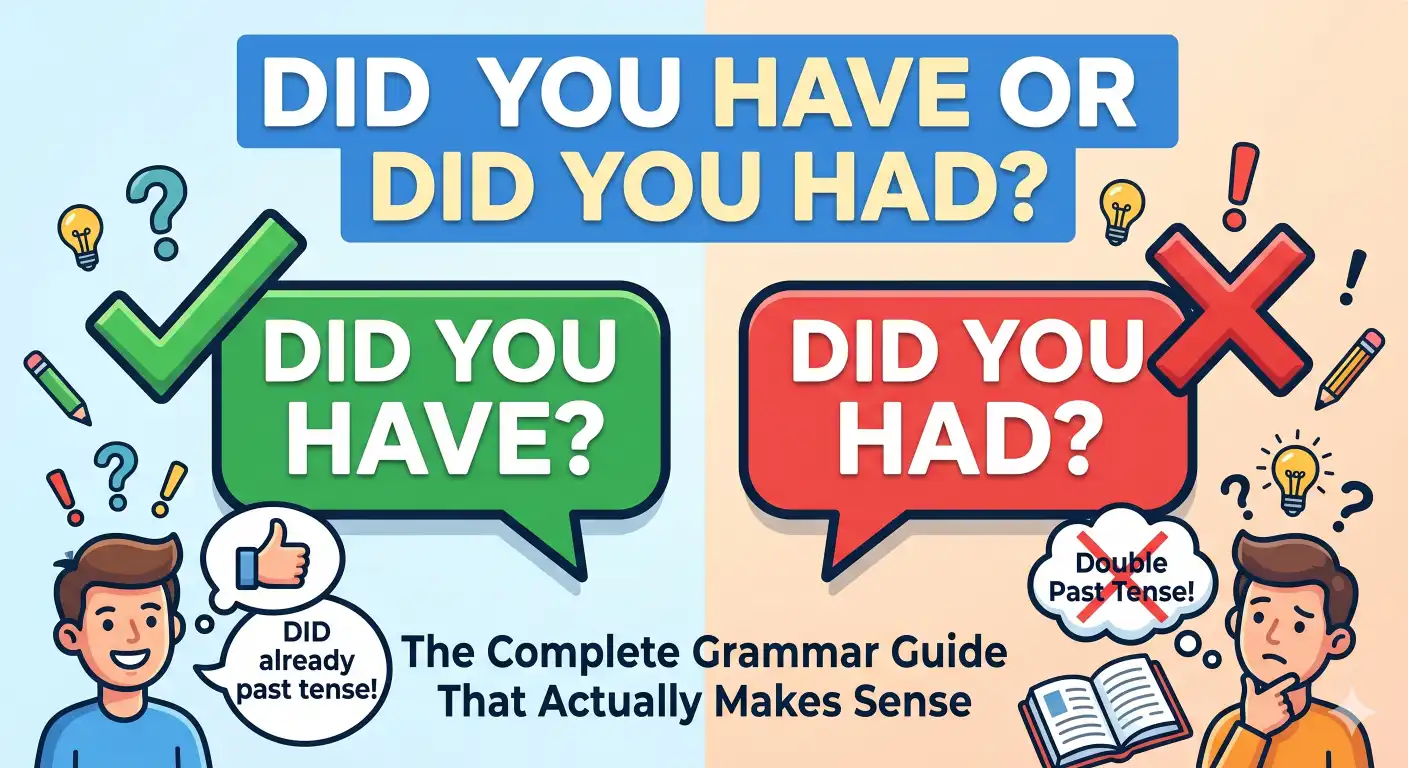
You’ve heard it before. “Did you had fun?” “Did you had dinner?” Something feels off. Even if you can’t explain why, your ear knows it’s … Read More
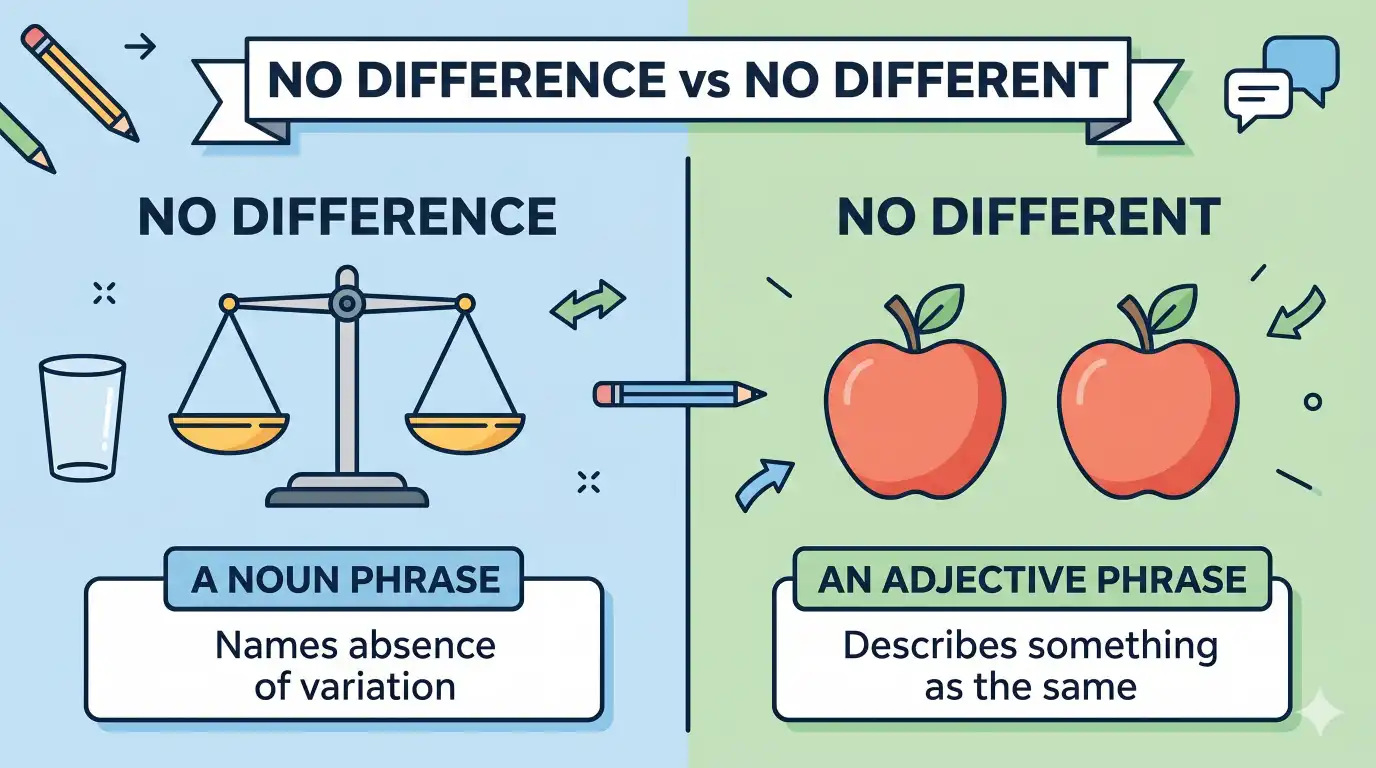
You’ve probably paused mid-sentence and wondered: Should I say no difference or no different? It seems small. It isn’t. These two phrases look similar yet … Read More
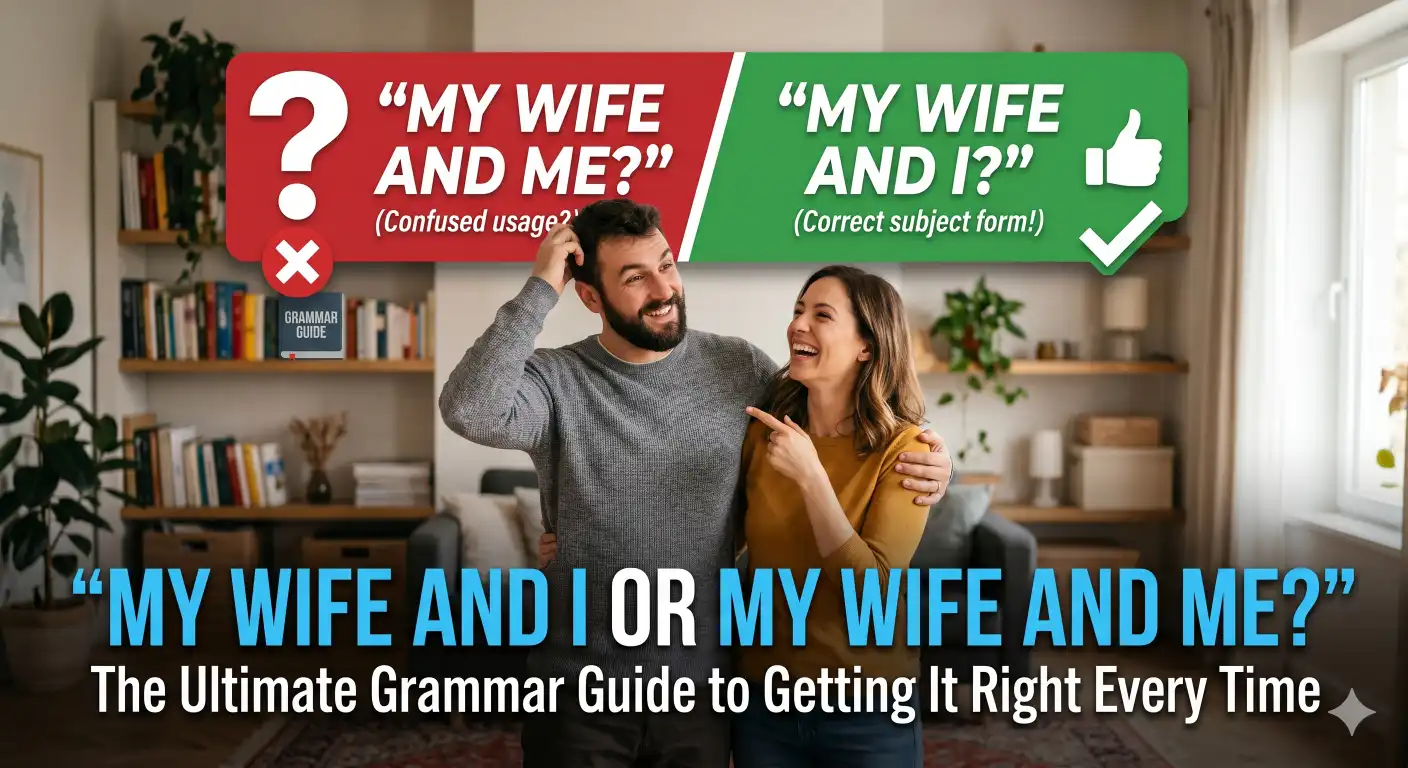
You’ve heard it. You’ve said it. You’ve probably second-guessed it. “My wife and I went to dinner.” Or was it… “The waiter brought dessert to … Read More
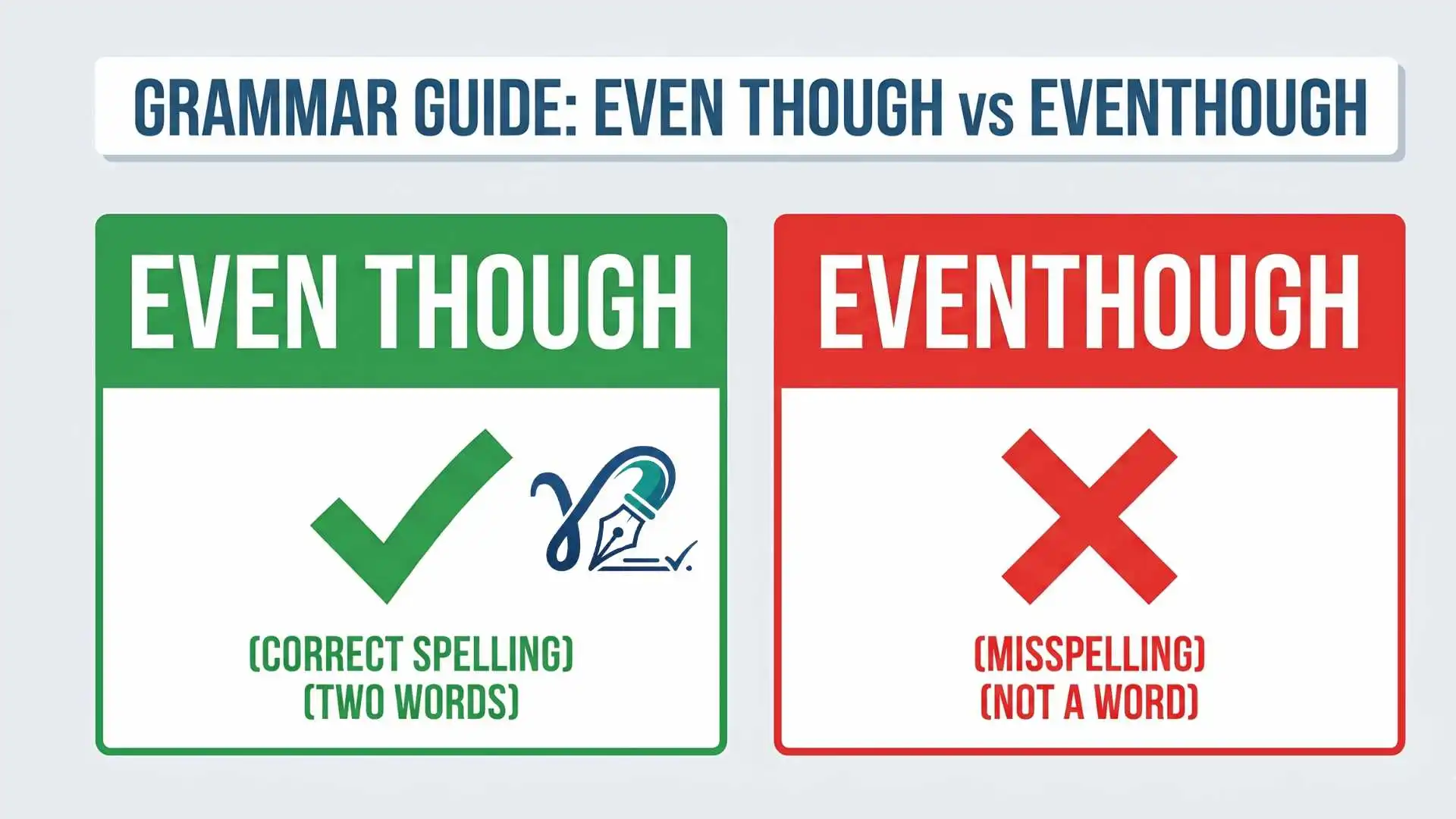
You’ve seen it before. Maybe you’ve typed it yourself. “Eventhough.” It looks harmless. It sounds right. Your brain barely pauses. And yet, that single spelling … Read More
Problems don’t just show up. They linger. They stretch. They press on your chest at 2 a.m. Yet the moment you describe a problem clearly, … Read More
If you search for similes for strong, you’ll see the same recycled list again and again. “As strong as an ox.” “As strong as steel.” … Read More
Happiness can be loud. It can burst through the door like fireworks on the Fourth of July. Or it can sit quietly in your chest … Read More
Anger is one of the hardest emotions to write well. Say “he was angry” and your reader shrugs. Show anger through sharp imagery and suddenly … Read More
Music moves people in ways plain language often can’t capture. You’ve felt it. A song comes on and suddenly you’re back in high school. Or … Read More

We provide simple, reliable grammar guidance to improve your everyday writing. From basic rules to practical tips, our goal is to make communication clear, accurate, and professional for everyone.