Segway vs Segue: Meaning & Difference Explained
The confusion between Segway vs. segue has tripped up students, bloggers, journalists, podcasters, and even corporate brands. The words sound identical. They mean completely different … Read More
The confusion between Segway vs. segue has tripped up students, bloggers, journalists, podcasters, and even corporate brands. The words sound identical. They mean completely different … Read More
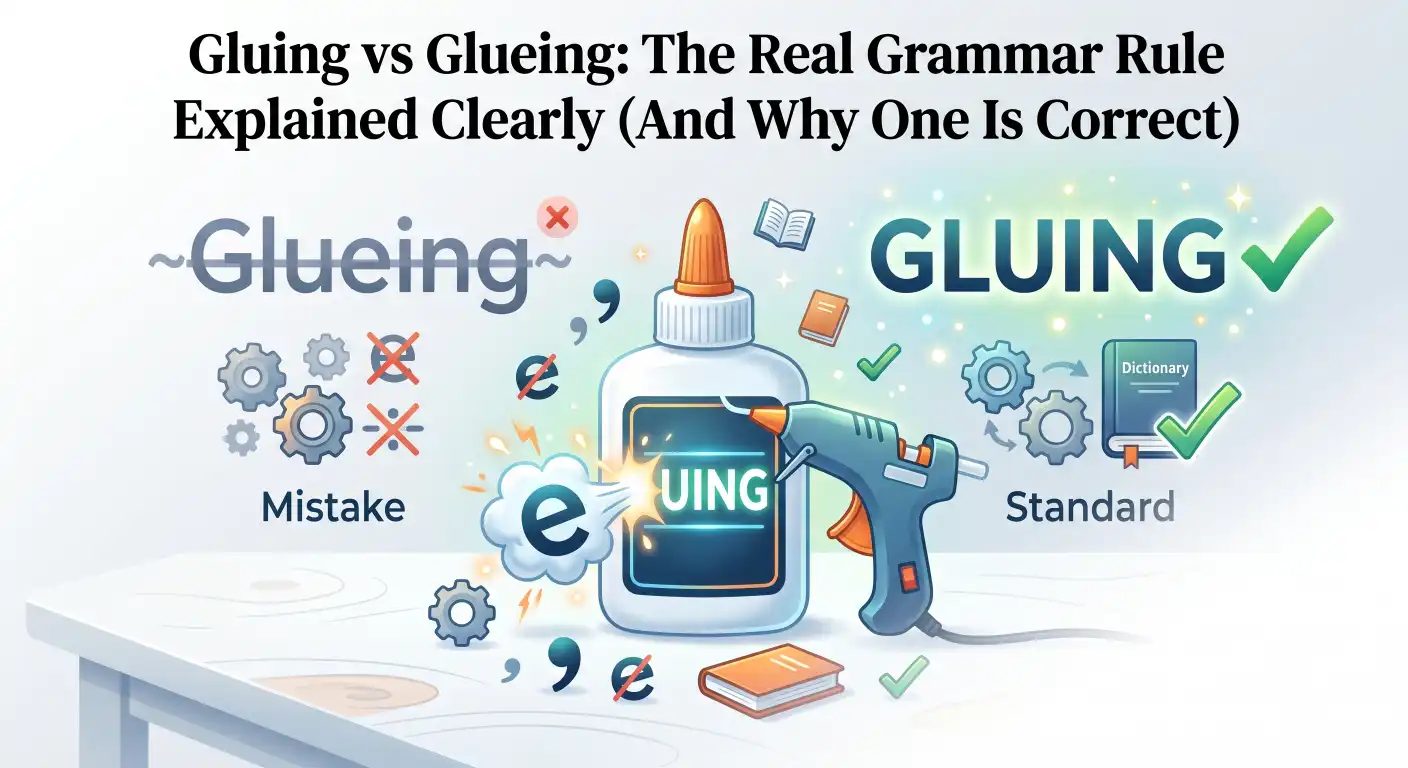
You type a sentence. You reread it. Everything looks fine. Then someone spots it. “Glueing.” Suddenly, your professional polish feels chipped. Here’s the truth: in … Read More
This guide explores 31 powerful similes for sadness, categorized by their emotional impact. You will also learn the best ways to apply them to your … Read More
Color shapes emotion faster than almost any other detail in language. Mention blue and people feel calm. Say black and tension creeps in. But say … Read More
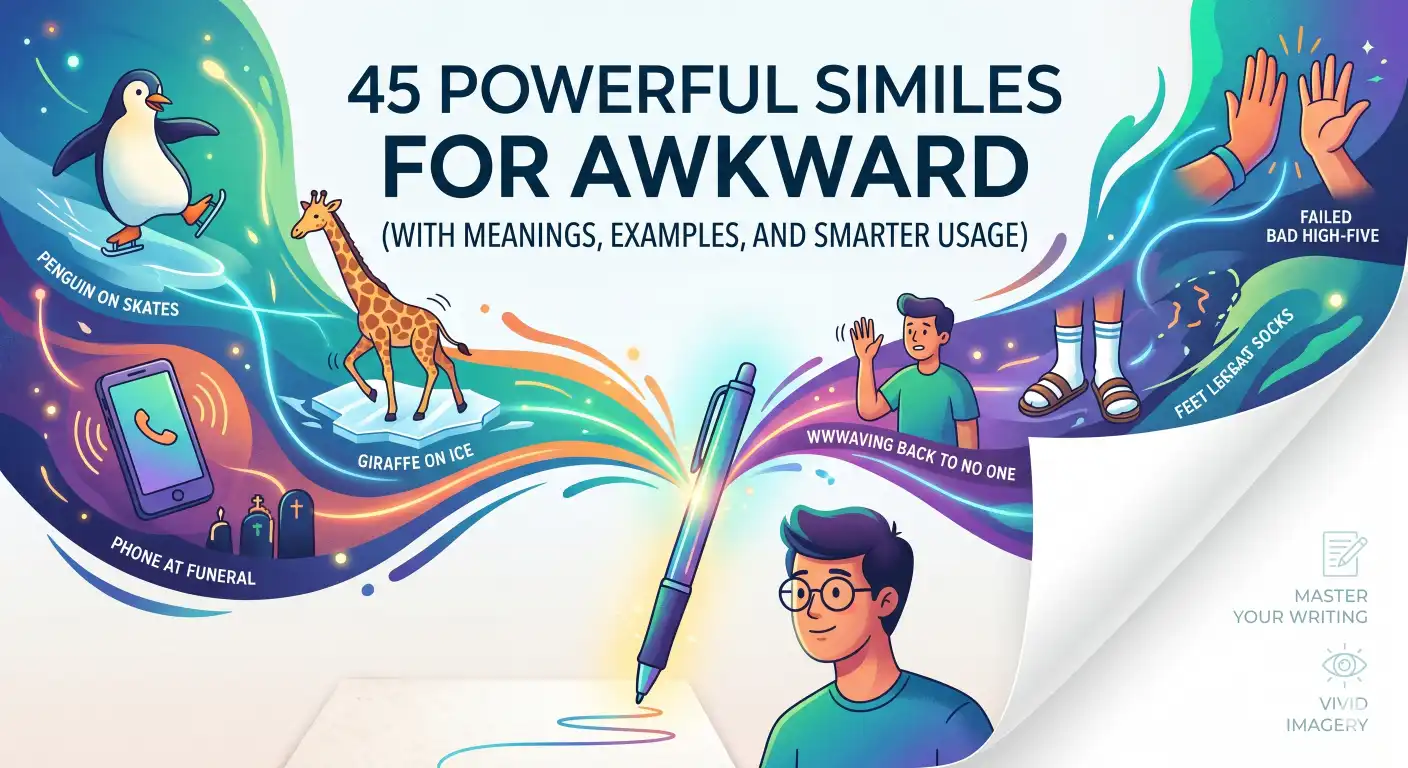
Awkward moments don’t whisper. They linger. You feel them in your shoulders. In the pause after a joke that doesn’t land. In that elevator ride … Read More
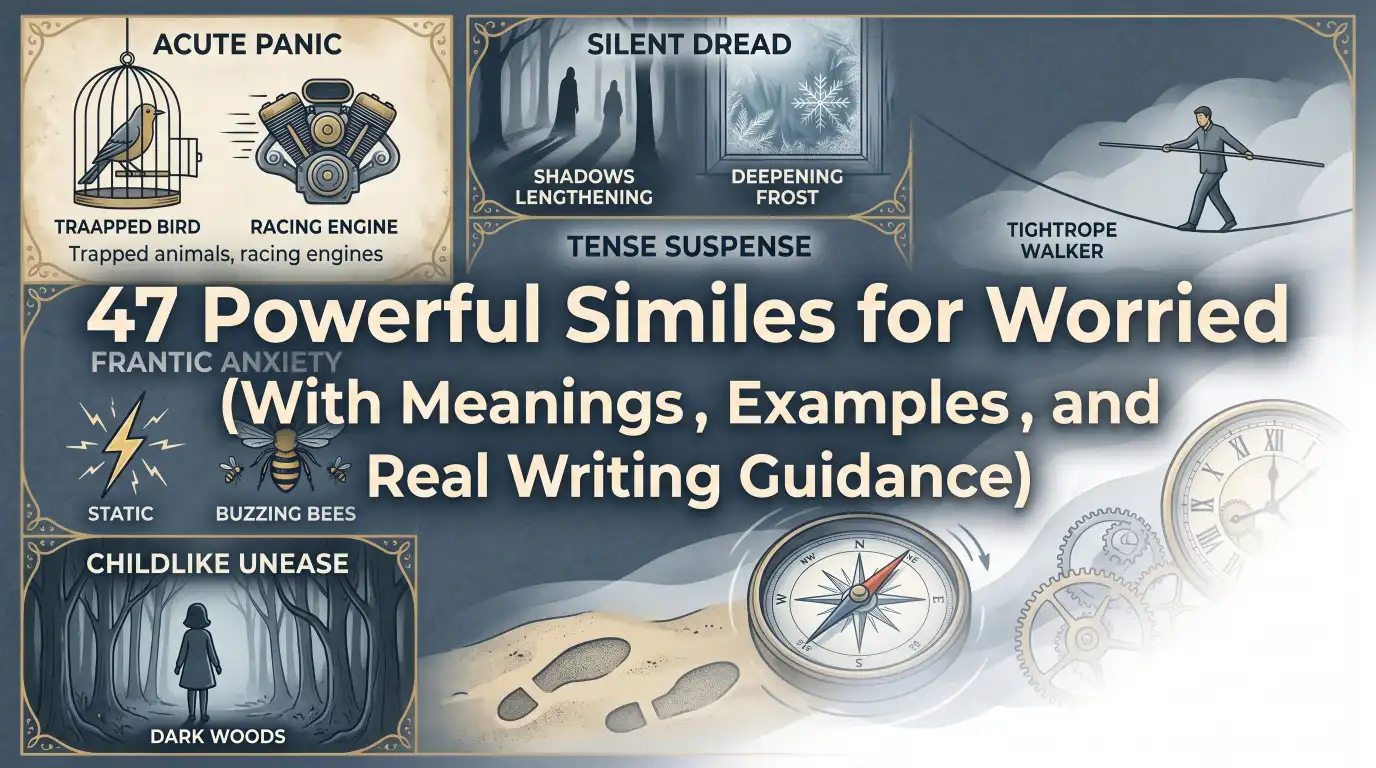
Worry shows up everywhere in storytelling. In novels, in memoirs, in speeches, even in song lyrics. Yet most writers struggle to describe it well. They … Read More
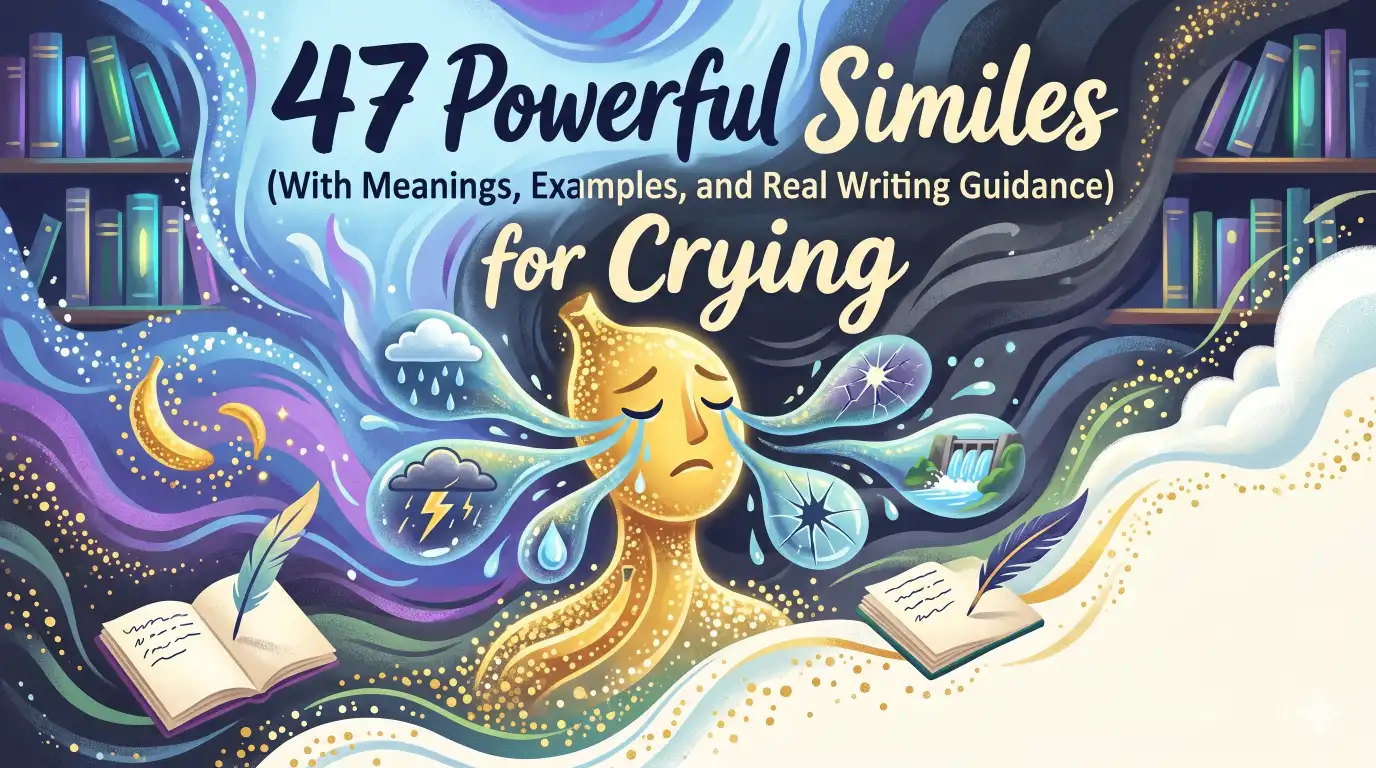
Crying shows up everywhere in storytelling. In novels. In memoirs. In speeches. Even in song lyrics. Yet most writers struggle to describe it well. They … Read More
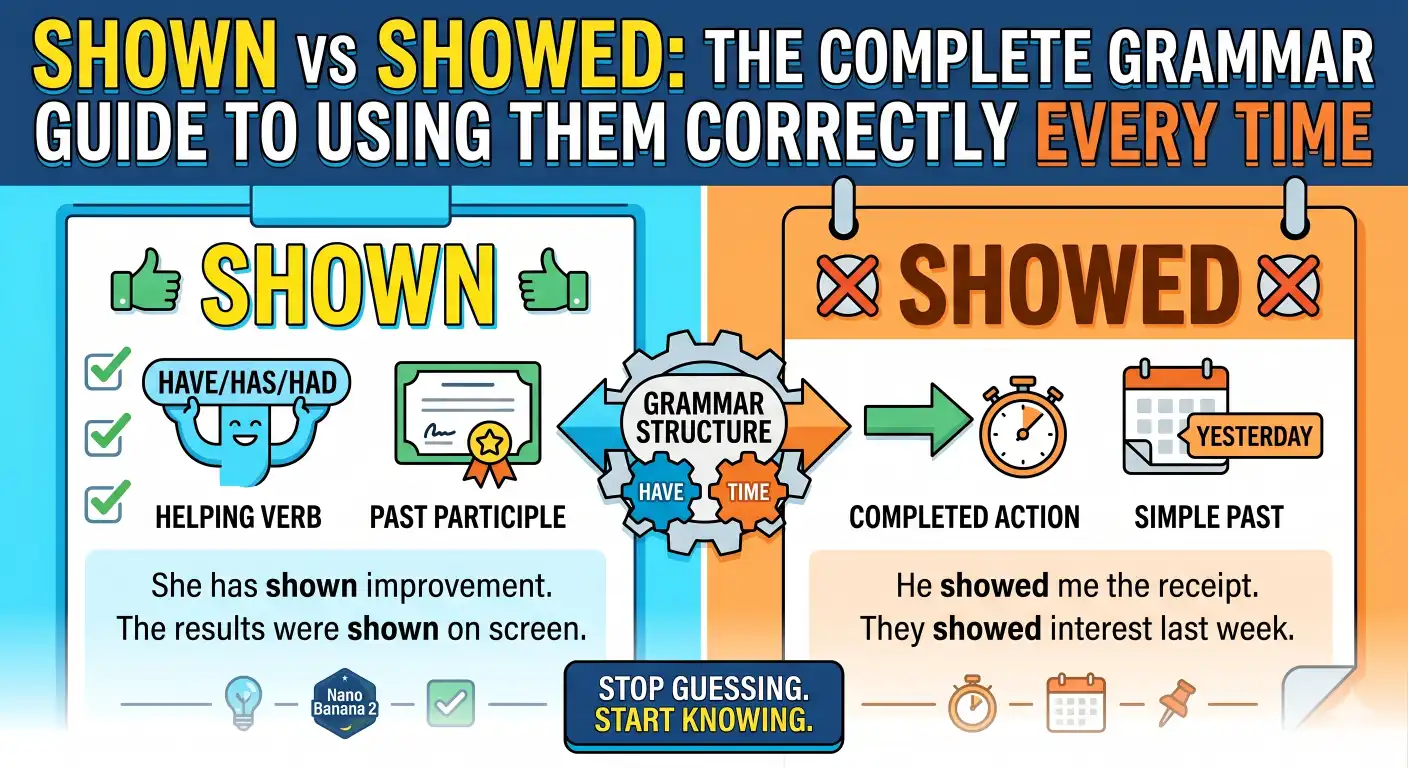
If you’ve ever paused mid-sentence and wondered whether to write “shown” or “showed,” you’re not alone. Even fluent English speakers hesitate. You might type: “I … Read More
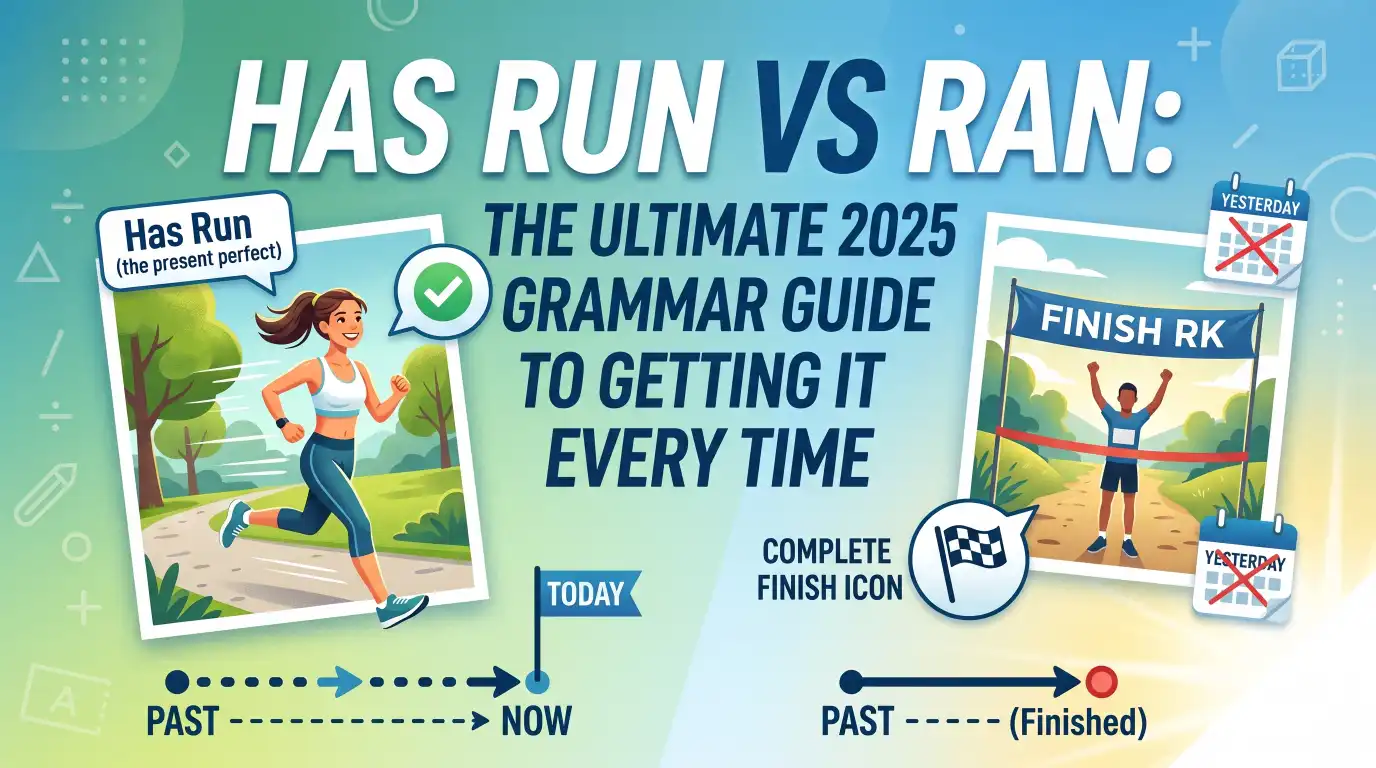
If you’ve ever paused mid-sentence wondering whether to write “has run” or “has ran,” you’re not alone. This mistake shows up in emails, social media … Read More
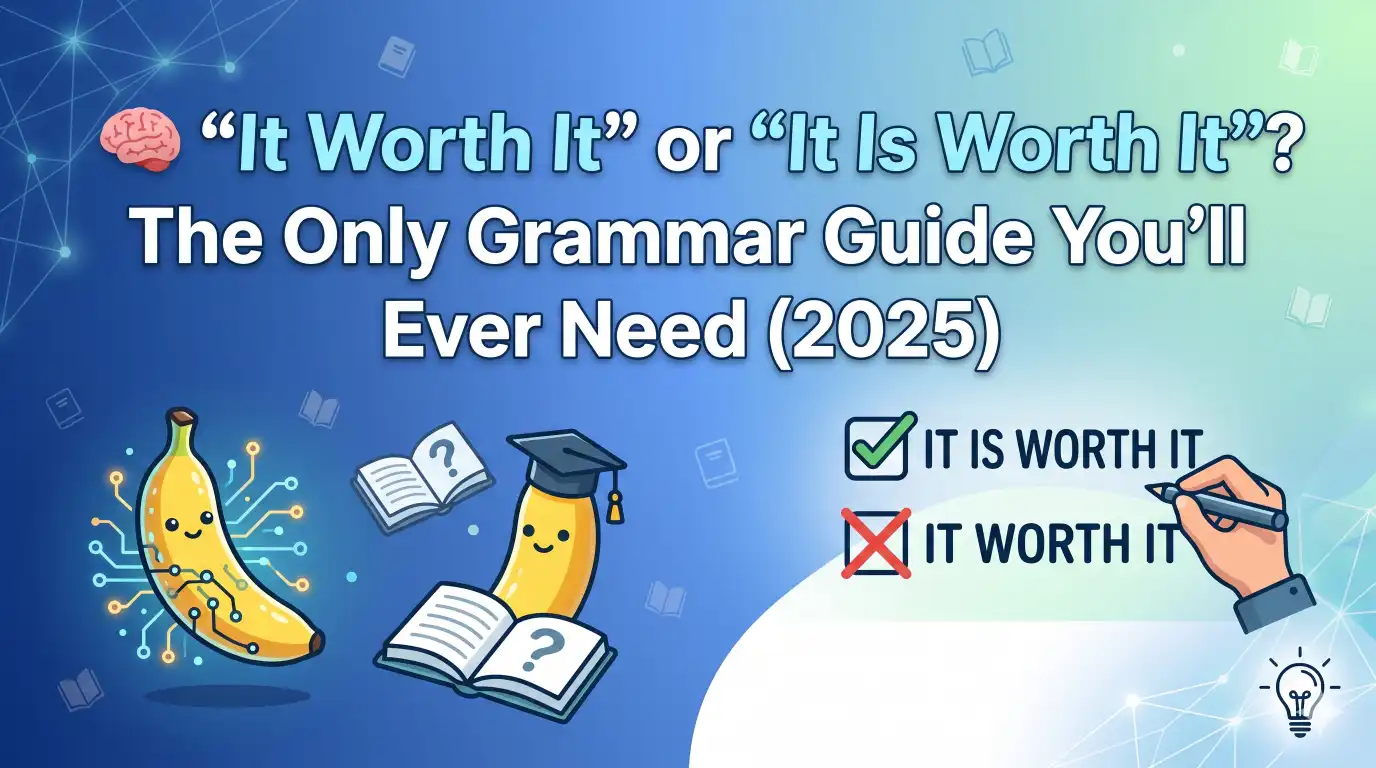
You’ve seen it before. “It worth it.” Three words. Almost right. Completely wrong. One tiny verb makes all the difference between sounding fluent and sounding … Read More

We provide simple, reliable grammar guidance to improve your everyday writing. From basic rules to practical tips, our goal is to make communication clear, accurate, and professional for everyone.